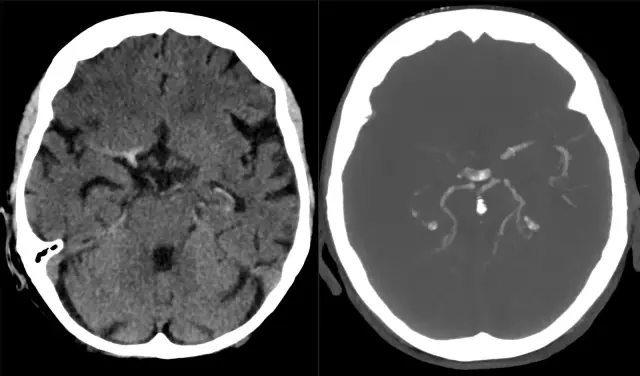
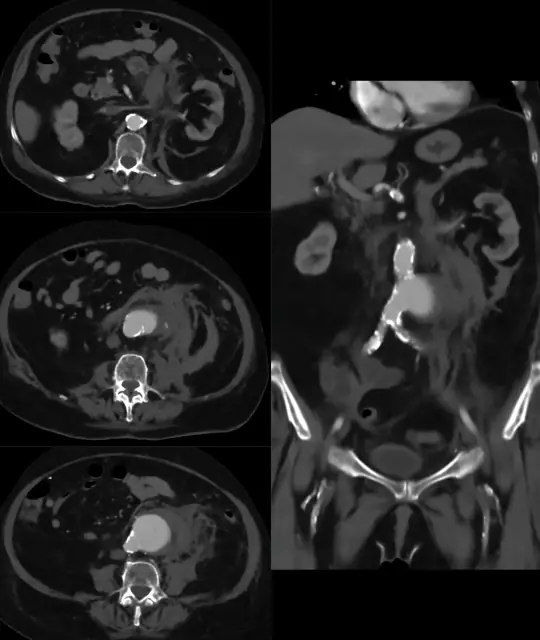
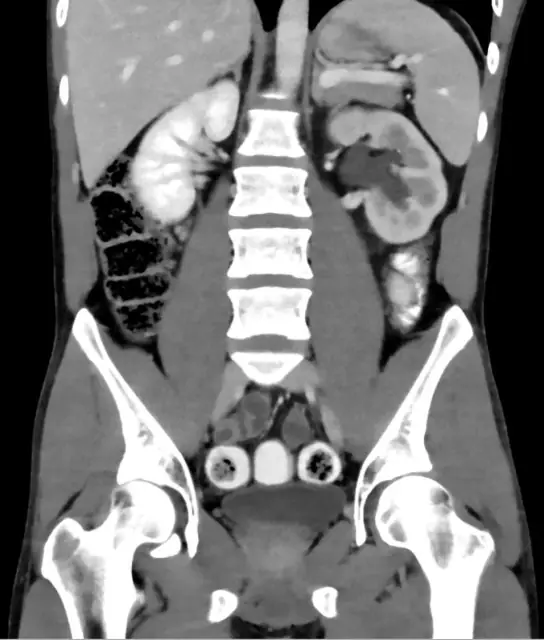
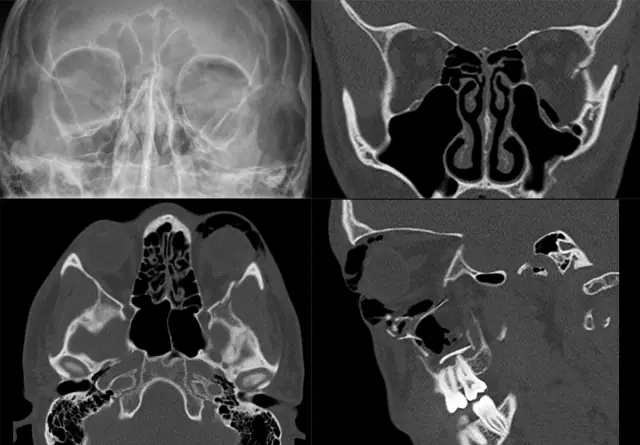
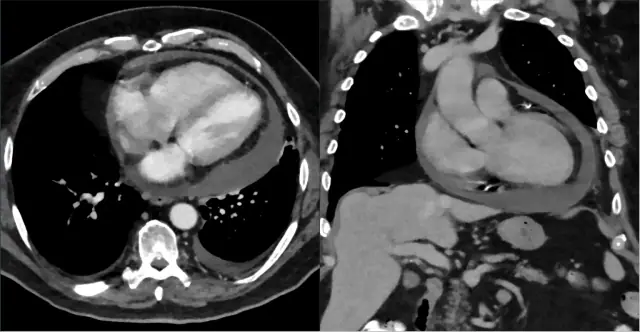
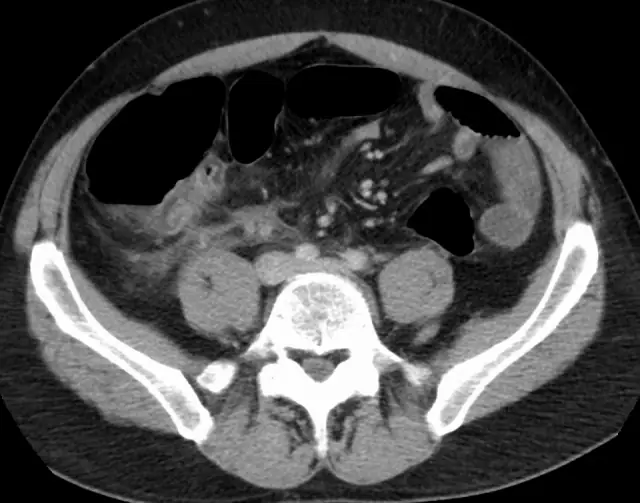
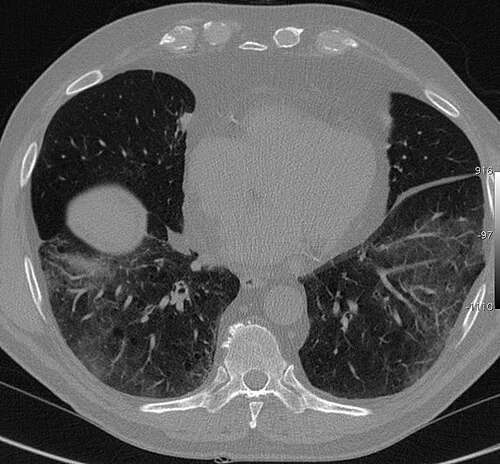
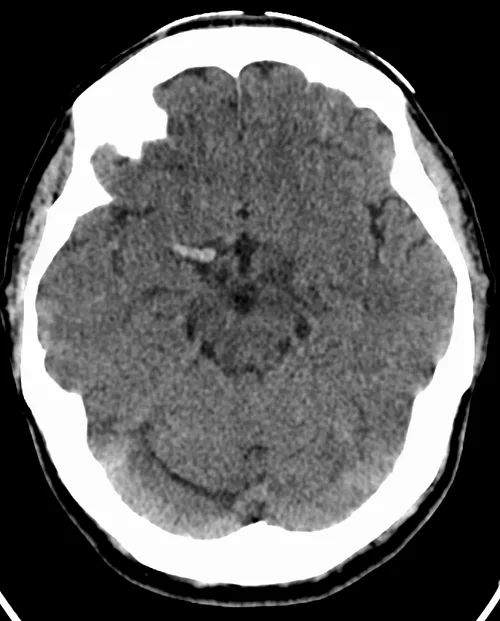
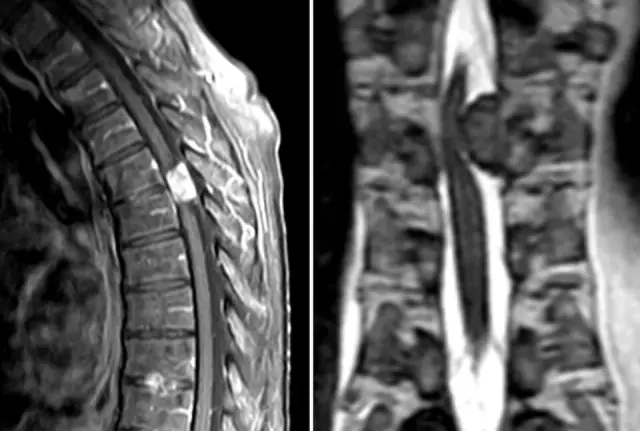
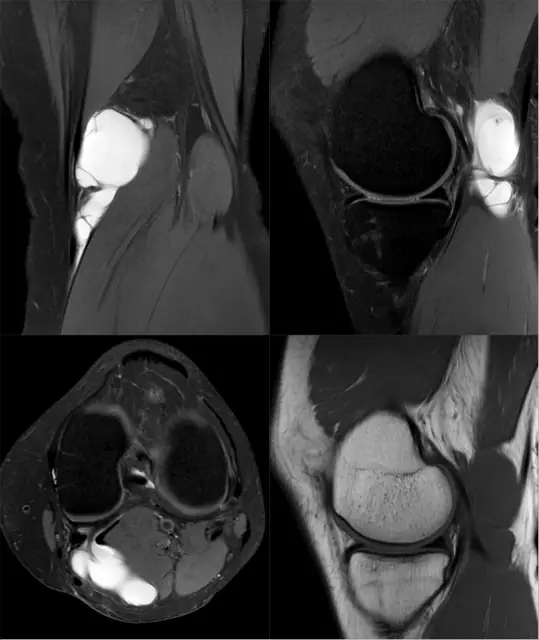
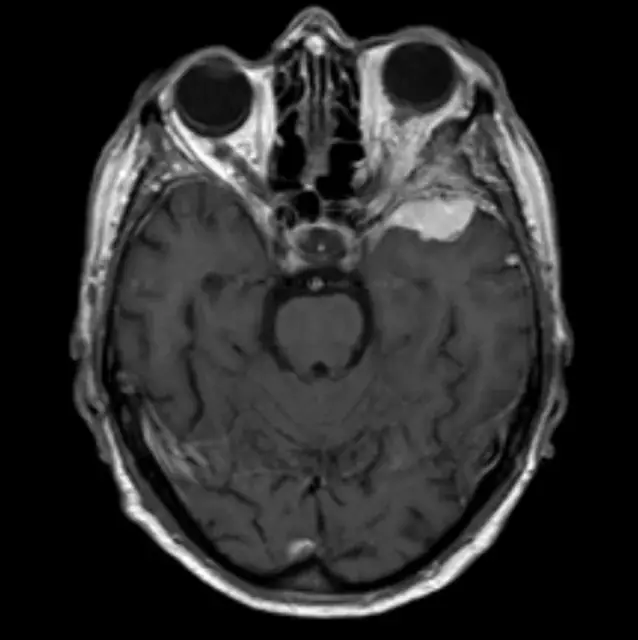
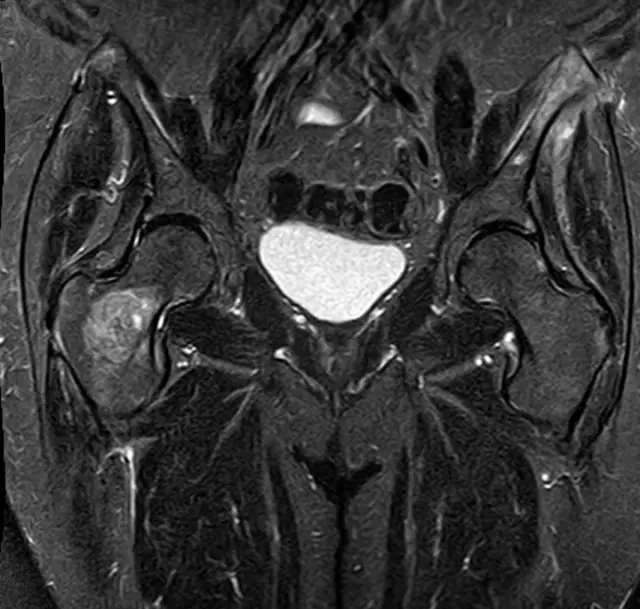
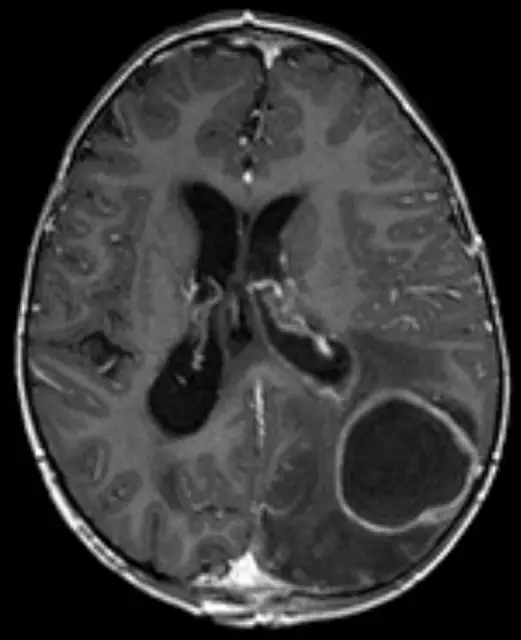
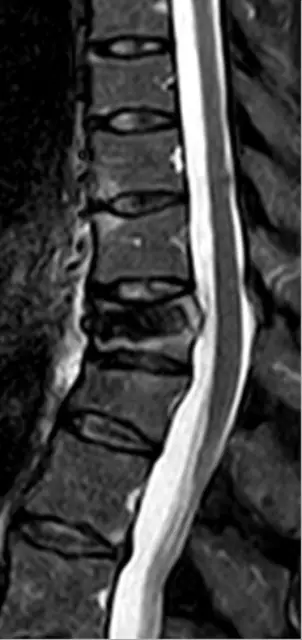
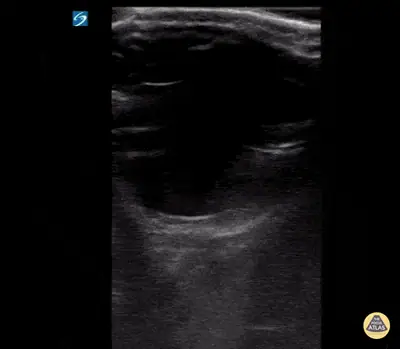
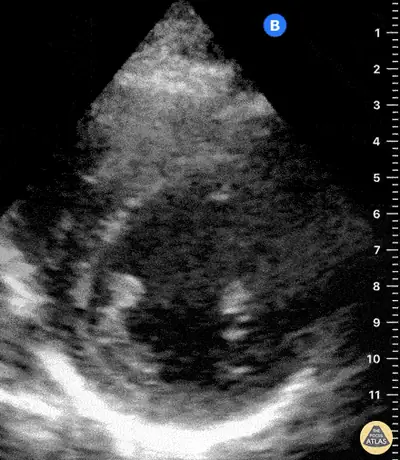
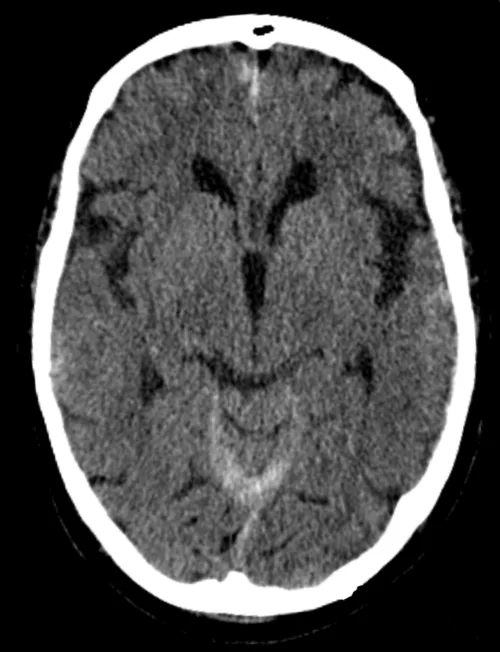
Interactive radiology & ultrasound education

Learn to see what matters.

Develop your radiology and ultrasound interpretation skills through interactive cases, precise image localization, structured feedback, confidence calibration, and case-specific AI teaching.

Built for medical students, junior residents, and point-of-care ultrasound learners.

RADSpace

Clinical history. Adult patient, acute presentation — review the study and locate the key finding.

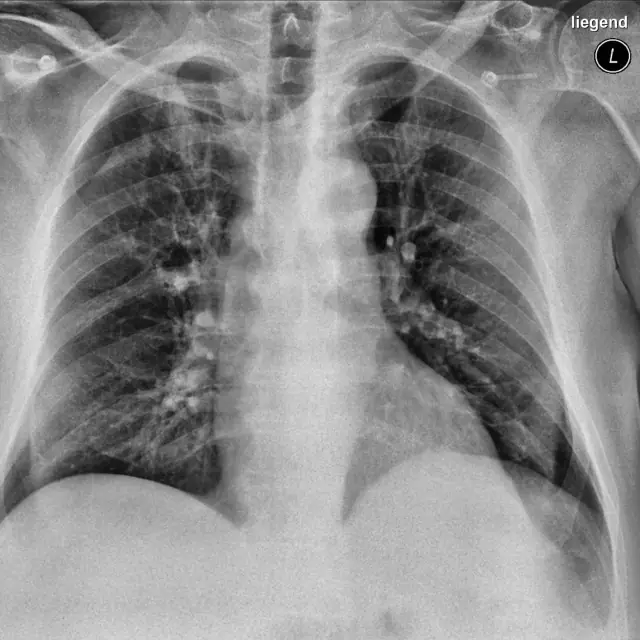
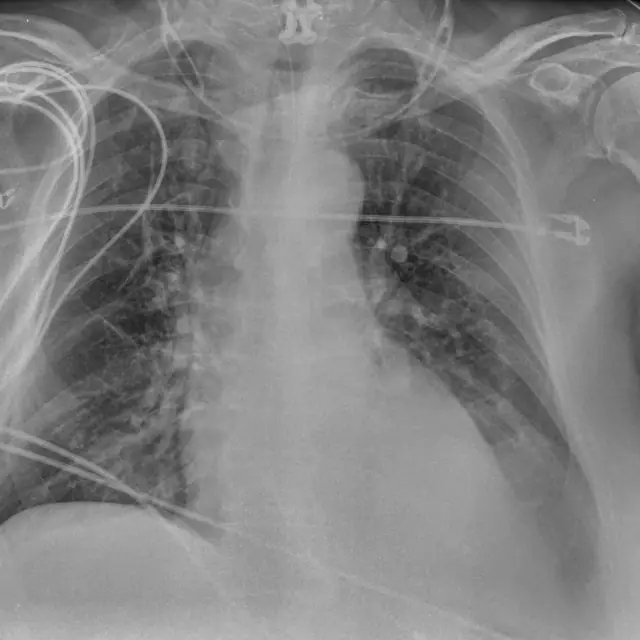
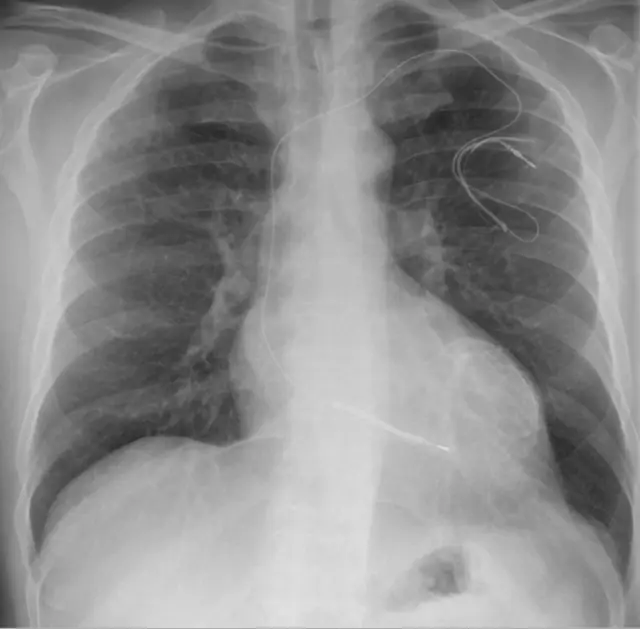
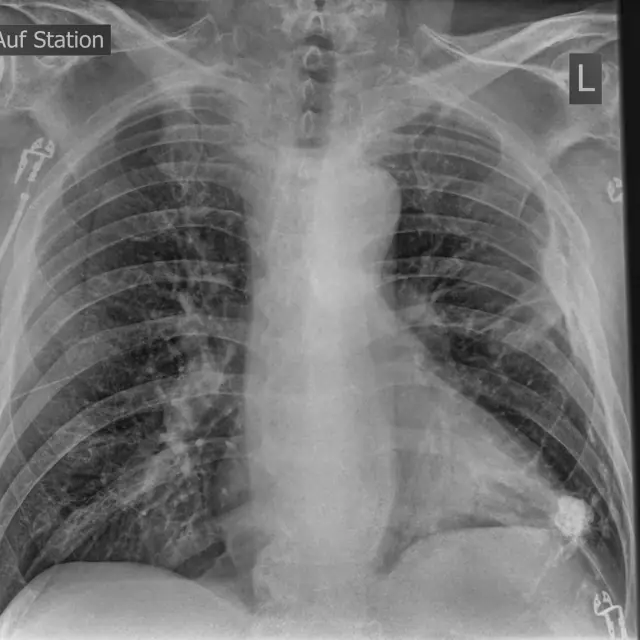
Chest radiograph shown in the RADSpace viewer1.0× · PA CorrectHannover Medical School COVID-19 Image Repository · CC BY 3.0
click to mark
Confidence72%

See the workflow

Walk through a case in seconds

This interactive walkthrough shows exactly how RADSpace works — history, localization, diagnosis, confidence, feedback, and the case tutor. Play it, step through it, or jump straight into the real thing.

Clinical history
Inspect study
Locate finding
Diagnose
Confidence
Result & feedback
Ask RADSpace
Demonstration

Clinical history. Every case begins with the patient — the presentation, not the answer.

Try it yourself

How RADSpace works

Active interpretation, one disciplined loop

Every case runs the same loop that trains real readers — you commit before you see the answer, then confront exactly what you saw and missed.
  1. 01
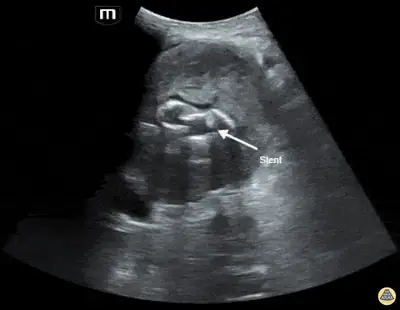
    Inspect the study

    Zoom, pan, window, scroll CT/MRI slices, and scrub ultrasound cine in a workstation-style viewer.

  2. 02

    Locate the finding

    Click or tap directly on the abnormality. Placement is measured against the reviewed target region.

  3. 03

    Commit to a diagnosis

    Choose or type your interpretation and rate your confidence before anything is revealed.

  4. 04

    Learn from feedback

    See the correct region graded Correct / Close / Not quite, with personalized, case-specific teaching.

Supported modalities

Every modality is a first-class skill

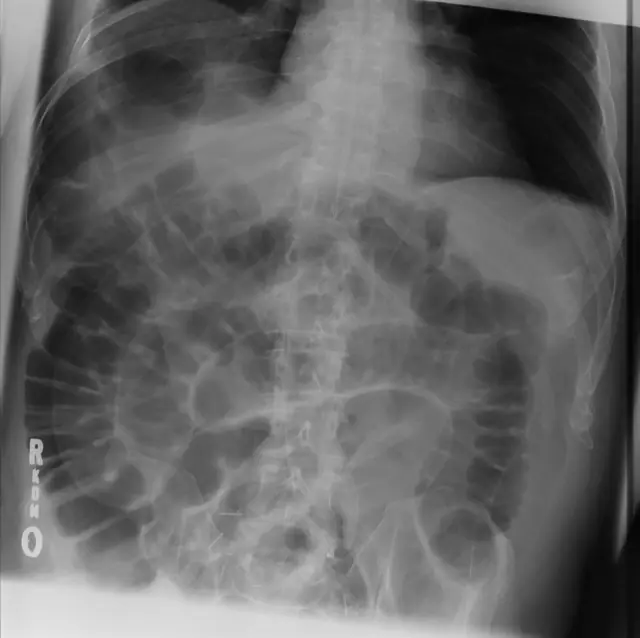
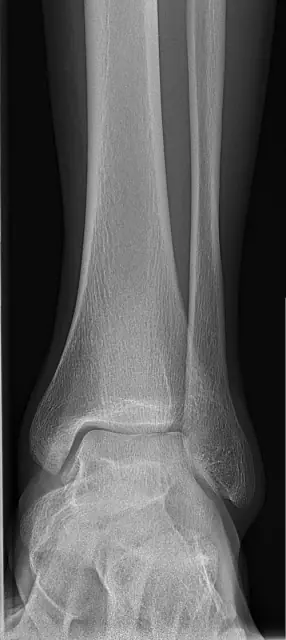
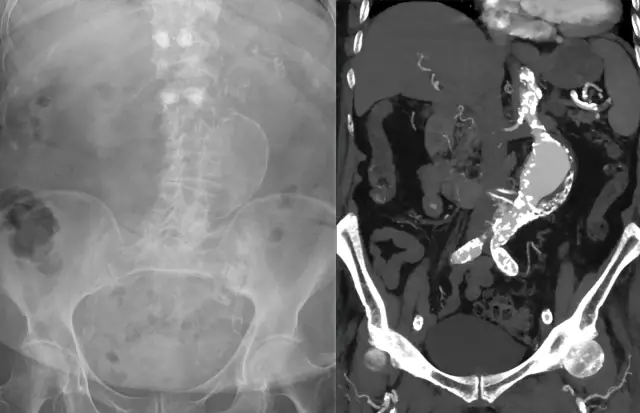
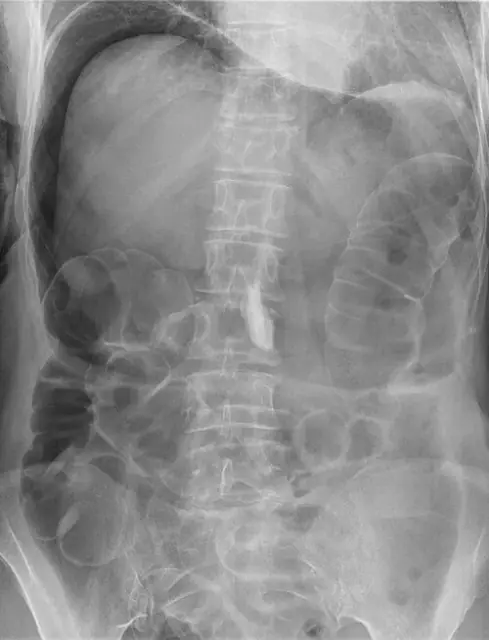
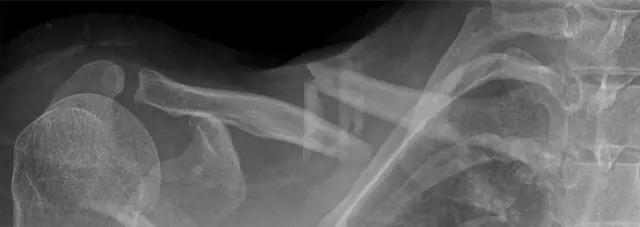
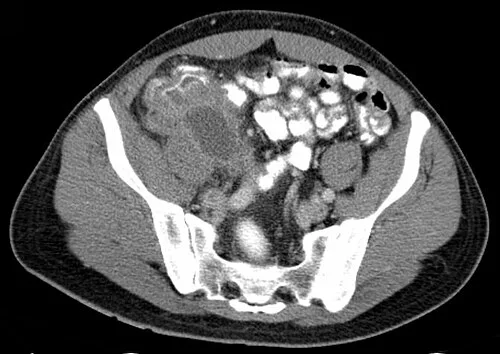
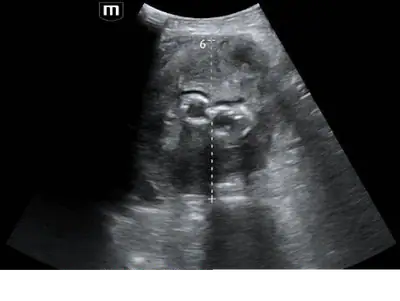
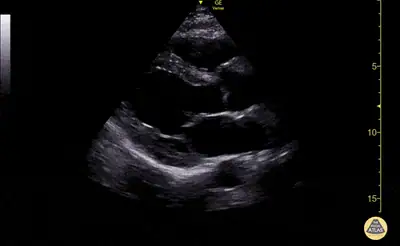
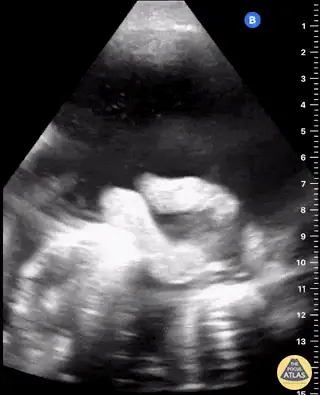
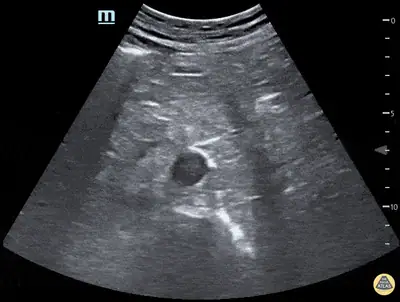
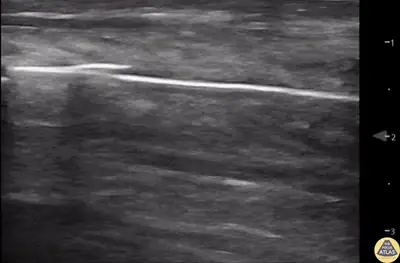
RADSpace treats ultrasound and point-of-care imaging as core, not an afterthought — with cine playback, frame selection, and artifact recognition.

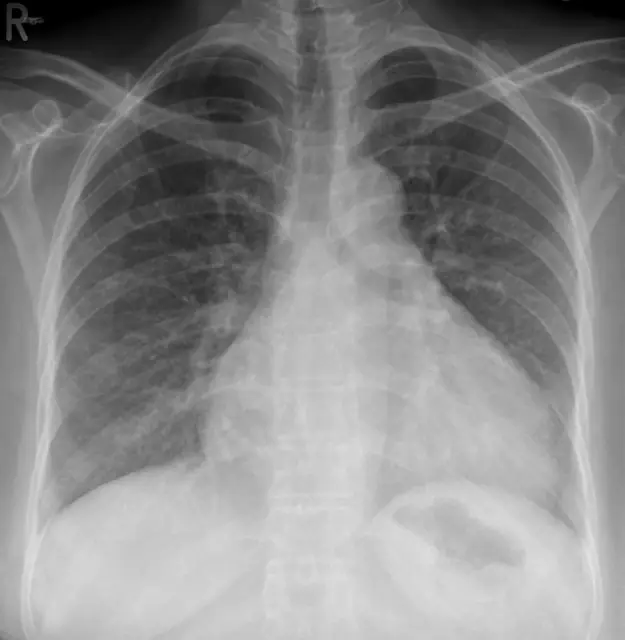
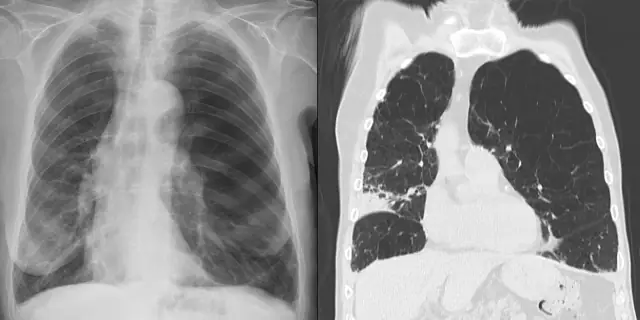
XRAY image from the RADSpace libraryReal chest radiograph · Hannover COVID-19 Repository · CC BY 3.0
real image

Why active interpretation

Reading about a finding isn't finding it

Perception is a trained skill. Committing to a location and a confidence level — then confronting the answer — builds readers in a way passive review cannot.

Passive review

  • See the answer, then read the explanation
  • No commitment, no measured search
  • Confidence never tested against reality
  • Recognition fades without retrieval

The RADSpace loop

  • Locate the finding directly on the image
  • Commit to a diagnosis before the reveal
  • Calibrate confidence and track it over time
  • Receive graded, case-specific feedback

Ask RADSpace

A tutor that stays inside the case

After each case, ask questions and get concise, supportive answers grounded strictly in that case's verified teaching content. The tutor won't invent findings, and it points you back to the verified explanation.

Ask RADSpaceSample exchange
Why is this the correct diagnosis?
Ask a question about this case…

Educational and case-specific. AI responses may contain errors — the verified case explanation is the authoritative teaching summary.

Private progress

Track your learning over time

A private dashboard shows accuracy by modality and body system, confidence calibration, your weak areas, and recommended next cases. No leaderboards, no public profiles — your progress is yours.

  • Location accuracy

    How precisely you place the finding on the image.

  • Diagnostic accuracy

    Whether your committed diagnosis was correct.

  • Confidence calibration

    How well your stated confidence matches your results.

  • Coverage by modality & system

    Where you're strong and where to focus next.

Example
Your dashboard

Location

78%

Calibration

±12%

Accuracy by modality

Chest X-ray82%
Ultrasound / POCUS74%

Saved cases, recent activity, and recommended next cases appear on your real dashboard once you sign in.

Start seeing what matters.

Practice active image interpretation on medically reviewed cases, build diagnostic confidence, and track your progress over time.

RADSpace is an educational platform and is not intended for clinical decision-making, diagnosis, or direct patient care.